

Indian embroidery is a mesmerizing testament to the country’s rich cultural heritage and artistic prowess. Renowned for its intricate patterns and vibrant threads, Indian embroidery adds a unique touch to garments, home decor, and accessories. This blog will delve into the various styles of Indian embroidery, their historical significance, and how they continue to influence contemporary fashion.
1. The Elegance of Zardozi: A Regal Touch
Zardozi is one of the most opulent forms of Indian embroidery, characterized by its use of metallic threads like gold and silver. This embroidery style originated in Persia and was embraced by Indian royalty, making it a popular choice for bridal wear and ceremonial garments.
Key Features
- Intricate Designs: Zardozi often features elaborate patterns including floral motifs, paisleys, and geometric shapes.
- Rich Texture: The use of metallic threads gives Zardozi a luxurious texture and shine, ideal for special occasions.
Styling Tips
- Bridal Wear: Choose Zardozi-embroidered sarees or lehengas for a grand bridal look.
- Accessories: Zardozi embellishments can be added to accessories like clutches and dupattas for a touch of glamour.
2. The Craft of Kashmiri Embroidery: Delicate and Detailed
Kashmiri embroidery, known for its intricate needlework, is a traditional art form from the Kashmir region. This embroidery style includes various techniques, such as Sozni and Aari, which are used to create detailed and delicate patterns on fabrics.
Key Features
- Sozni Embroidery: Characterized by its fine needlework and floral patterns, Sozni is often used on shawls and stoles.
- Aari Embroidery: Known for its chain-stitch technique, Aari embroidery features intricate designs and is commonly used on garments.
Styling Tips
- Winter Wear: Kashmiri embroidered shawls and stoles are perfect for adding elegance and warmth during colder months.
- Formal Attire: Incorporate Kashmiri embroidery into formal wear like suits and dresses for a sophisticated touch.
3. The Vibrance of Phulkari: Floral Elegance
Phulkari, which translates to “flower work,” is a traditional Punjabi embroidery style known for its vibrant, floral patterns. This technique is often used on shawls, dupattas, and salwar kameez.
Key Features
- Bright Colors: Phulkari is distinguished by its use of bright, contrasting colors and geometric patterns.
- Floral Patterns: The embroidery often features floral motifs that add a lively touch to the fabric.
Styling Tips
- Casual Wear: Opt for Phulkari-embroidered dupattas or kurtas for a cheerful, everyday look.
- Festive Occasions: Phulkari shawls and suits are perfect for festive celebrations and traditional events.
4. The Beauty of Kantha: Rustic Charm
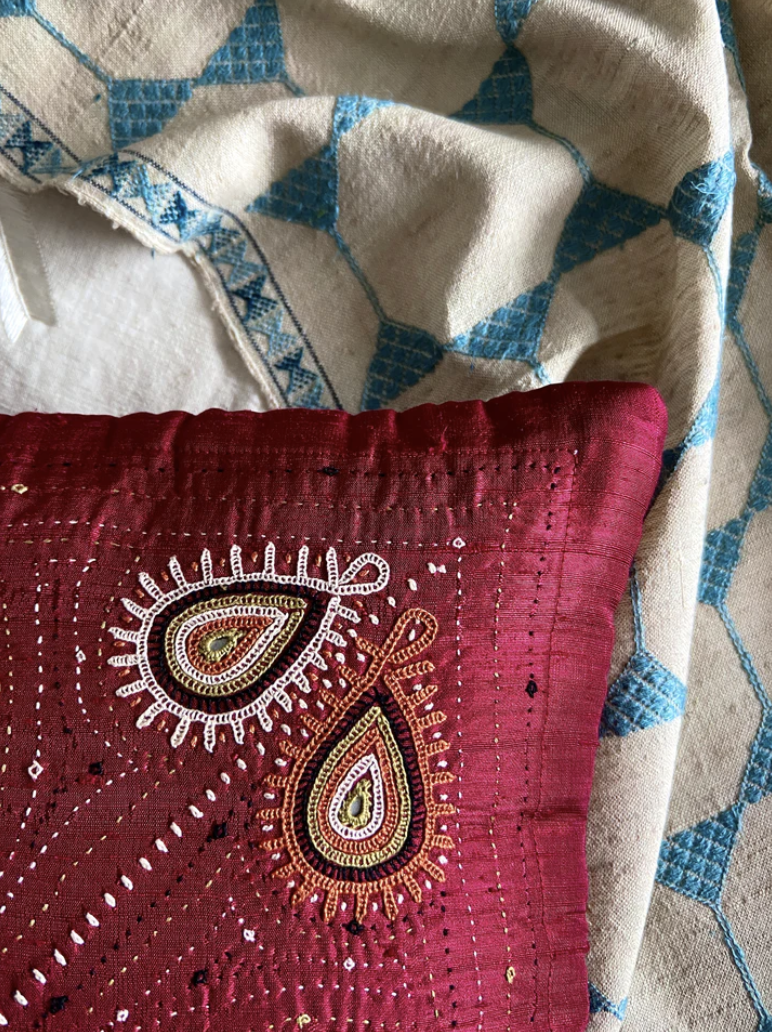
Kantha embroidery is a traditional technique from Bengal, known for its simple, yet elegant stitch work. This form of embroidery uses running stitches to create patterns and is often used on quilts, sarees, and shawls.
Key Features
- Running Stitches: Kantha is characterized by its use of running stitches to form patterns, often featuring motifs like flowers, birds, and geometric shapes.
- Handmade Quality: Each Kantha piece is unique, reflecting the handmade quality and artisanal skill.
Styling Tips
- Home Decor: Kantha quilts and cushion covers add a rustic charm to home decor.
- Casual Attire: Kantha-embroidered sarees and dresses are perfect for a relaxed, yet elegant look.
5. The Art of Chikan Embroidery: Elegant and Refined
Chikan embroidery, originating from Lucknow, is known for its delicate and refined techniques. It involves various stitches such as the basic “chikan” stitch, creating intricate patterns on lightweight fabrics.
Key Features
- Delicate Stitches: Chikan embroidery uses a range of stitches like the “Jali” and “Phanda” to create fine, detailed designs.
- Light Fabrics: Typically done on fabrics like muslin and georgette, Chikan embroidery is perfect for summer wear.
Styling Tips
- Daywear: Choose Chikan-embroidered kurtas and salwar kameez for a chic, daytime look.
- Evening Wear: Chikan sarees or dresses are ideal for elegant evening events.
6. The Fusion of Tradition and Modernity: Contemporary Indian Embroidery
Indian embroidery is continuously evolving, merging traditional techniques with contemporary designs to create unique and modern pieces.
Modern Trends
- Fusion Fashion: Designers are integrating traditional embroidery into contemporary clothing, such as pairing embroidered elements with casual wear.
- Sustainable Practices: There is a growing trend towards using eco-friendly materials and techniques in embroidery, reflecting a commitment to sustainability.
Styling Tips
- Mix and Match: Combine traditional embroidered pieces with modern silhouettes for a fresh look.
- Accessorize: Use embroidered accessories to elevate everyday outfits.
7. Conclusion: Celebrating Indian Embroidery
Indian embroidery is a rich and diverse art form that beautifully reflects the country’s cultural heritage. From the opulent Zardozi to the vibrant Phulkari and delicate Chikan, each style offers a unique glimpse into India’s artistic traditions. Embracing Indian embroidery means celebrating centuries of craftsmanship and adding a touch of elegance and heritage to your wardrobe.
Keywords: Indian embroidery, Zardozi, Kashmiri embroidery, Phulkari, Kantha, Chikan embroidery, traditional Indian stitching, modern embroidery trends
Explore the intricate world of Indian embroidery and experience the beauty and artistry that makes these timeless traditions exceptional.